Interplay between User-Generated Content Integrations and Bonus Redemption Sequences in Community-Driven Digital Slot Networks
Felix Sullivan · Sep 17, 2026
Interplay between User-Generated Content Integrations and Bonus Redemption Sequences in Community-Driven Digital Slot Networks
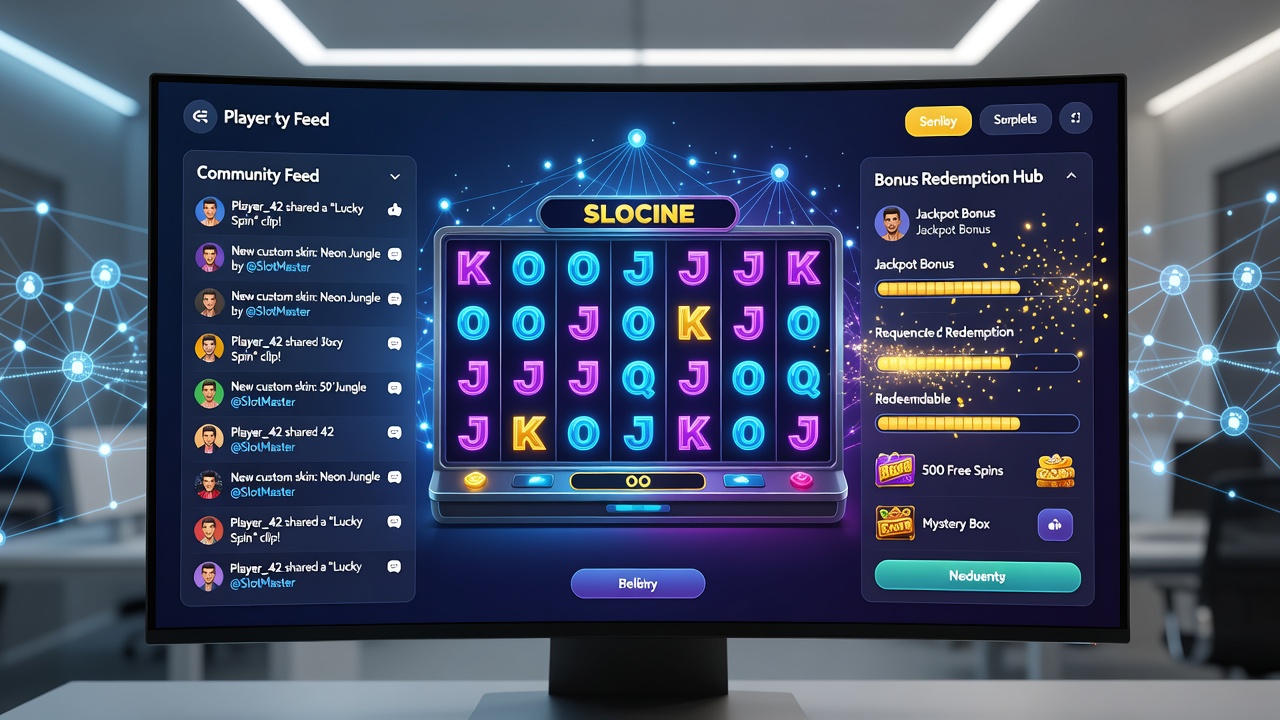
Community-driven digital slot networks incorporate user-generated content such as custom symbols, shared challenges, and player-designed themes that integrate directly with bonus redemption sequences, and these integrations follow structured data pathways where community inputs modify redemption triggers, sequences, and outcomes in measurable ways. Researchers tracking platform architectures note that user uploads feed into central systems through standardized APIs, allowing collective contributions to alter the timing and structure of bonus cycles without disrupting core random number generator protocols.
Mechanics of Content Integration
Platforms allow players to submit visual assets and mini-challenges that operators review before deployment, and once approved these elements embed into redemption sequences so that community milestones unlock tiered bonuses or modify existing reward structures. Data from operational logs indicate that networks using these integrations record shifts in redemption frequency because user content often introduces variable conditions such as collective progress bars that must reach thresholds before sequences activate. Observers note that September 2026 figures from multiple jurisdictions revealed increased activity in networks where such features operated, with redemption logs showing clusters of activity around community-driven events rather than isolated individual play.
Redemption Sequence Adjustments
Bonus redemption sequences adapt when user-generated elements participate by recalibrating payout multipliers or extending play windows based on aggregated community metrics, and these adjustments occur through automated scripts that pull real-time participation data from shared databases. Studies of similar systems demonstrate that sequences incorporating user content tend to feature layered redemption steps where initial community goals must clear before personal bonuses become available, creating chained interactions that extend session durations across the network. Those who analyze platform metrics find that the addition of player-designed challenges correlates with higher volumes of sequential redemptions because users return to complete group objectives that directly influence their individual reward paths.
Network-Level Data Patterns
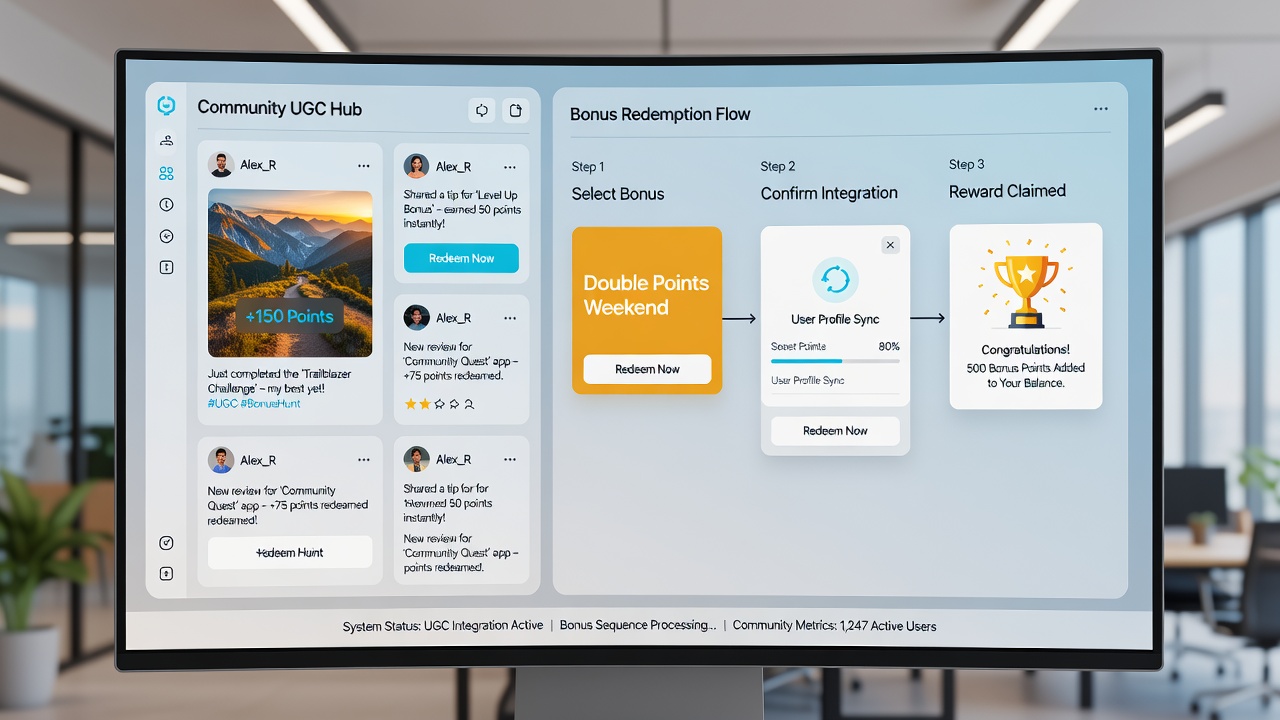
Cross-platform analytics reveal that community-driven networks experience distinct redemption clustering when user-generated content reaches critical mass, and this clustering appears in logs as synchronized bonus activations tied to shared milestones rather than random individual triggers. According to reports issued by the New Jersey Division of Gaming Enforcement, networks with active user content integrations showed measurable differences in redemption timing compared with traditional models, particularly during periods of coordinated community events. These patterns emerge because redemption sequences now reference external variables such as total community uploads or participation rates before finalizing bonus delivery.
Regulatory and Technical Frameworks
Regulatory bodies require that user-generated content undergo compliance checks before integration with bonus systems, and operators must maintain transparent logs showing how community contributions affect redemption probabilities and outcomes. Technical standards from organizations such as the International Association of Gaming Regulators outline that any modification to redemption sequences must preserve fairness metrics while accommodating dynamic inputs from players. Platforms therefore employ validation layers that test user content against existing bonus rules, ensuring that community elements enhance rather than override core sequence parameters.
Observed Implementation Examples
One documented case involved a network where players contributed seasonal themes that altered redemption visuals and added community multipliers, resulting in redemption sequences that required group participation thresholds before individual bonuses released. Another implementation tracked by academic researchers at the University of Nevada, Reno showed that networks incorporating player-designed challenges recorded shifts in redemption sequence length because users completed multiple steps tied to collective progress. These examples illustrate how the interplay operates at scale, with data systems continuously updating redemption conditions based on incoming user content streams.
Conclusion
The documented interactions between user-generated content and bonus redemption sequences demonstrate structured integration pathways that rely on shared data, compliance protocols, and automated adjustments across community-driven networks. Evidence from operational reports and regulatory filings indicates that these systems produce distinct redemption patterns tied to collective participation, and ongoing technical frameworks continue to refine how such content influences sequence design while maintaining established fairness standards.